Ballard and Fremont, along with their neighbors Wallingford, Phinney Ridge, and Green Lake, form a collection of Seattle's most beloved neighborhood villages. This area is defined by its maritime history, its active main streets, and a strong sense of local identity. Whether you are watching the boats at the Hiram M. Chittenden Locks, exploring the shops along Market Street, or running the loop at Green Lake, there is always something happening. I find that people are drawn here for the balance of residential comfort and urban excitement. You get the benefits of a walkable community with a huge variety of dining, shopping, and outdoor activities all within reach.
What it feels like
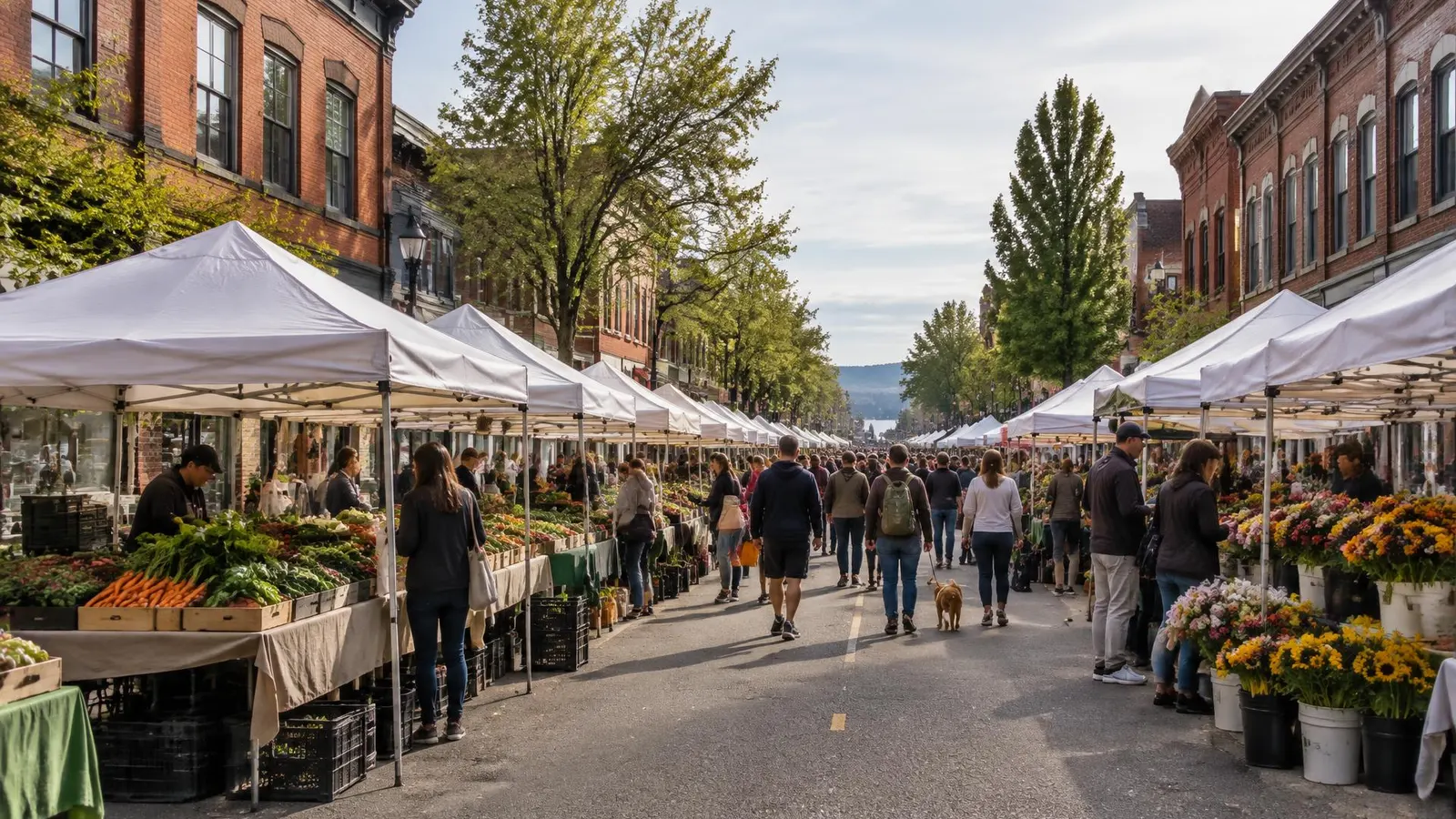
Living in the Ballard and Fremont area feels like being part of a series of interconnected villages. Ballard has a distinct maritime vibe, with its history as a fishing community still evident in the architecture and the active waterfront. Its downtown core is a bustling hub of activity, especially on Sundays during the year-round farmers market. Fremont, known as the Center of the Universe, has a more eclectic and artistic feel, with public art like the Fremont Troll and a mix of creative businesses and tech offices.
As you move uphill to Phinney Ridge and Wallingford, the atmosphere becomes more residential and classic. These neighborhoods are known for their well-preserved Craftsman bungalows and quiet, tree-lined streets. Green Lake is the focal point for outdoor activity in North Seattle, with a constant stream of people enjoying the path around the water. Throughout the region, the vibe is active and engaged. People here spend a lot of time outdoors and frequent their local business districts.
The density varies quite a bit. You will find brand-new condo and apartment buildings in the hearts of Ballard and Fremont, while just a few blocks away, you might find a quiet street of 1920s houses. This mix of old and new, urban and residential, is what gives the area its character. It is a place where you can grab a coffee at a long-standing local cafe and then walk to a modern tech campus or a bustling brewery district.
Getting around and commute tradeoffs
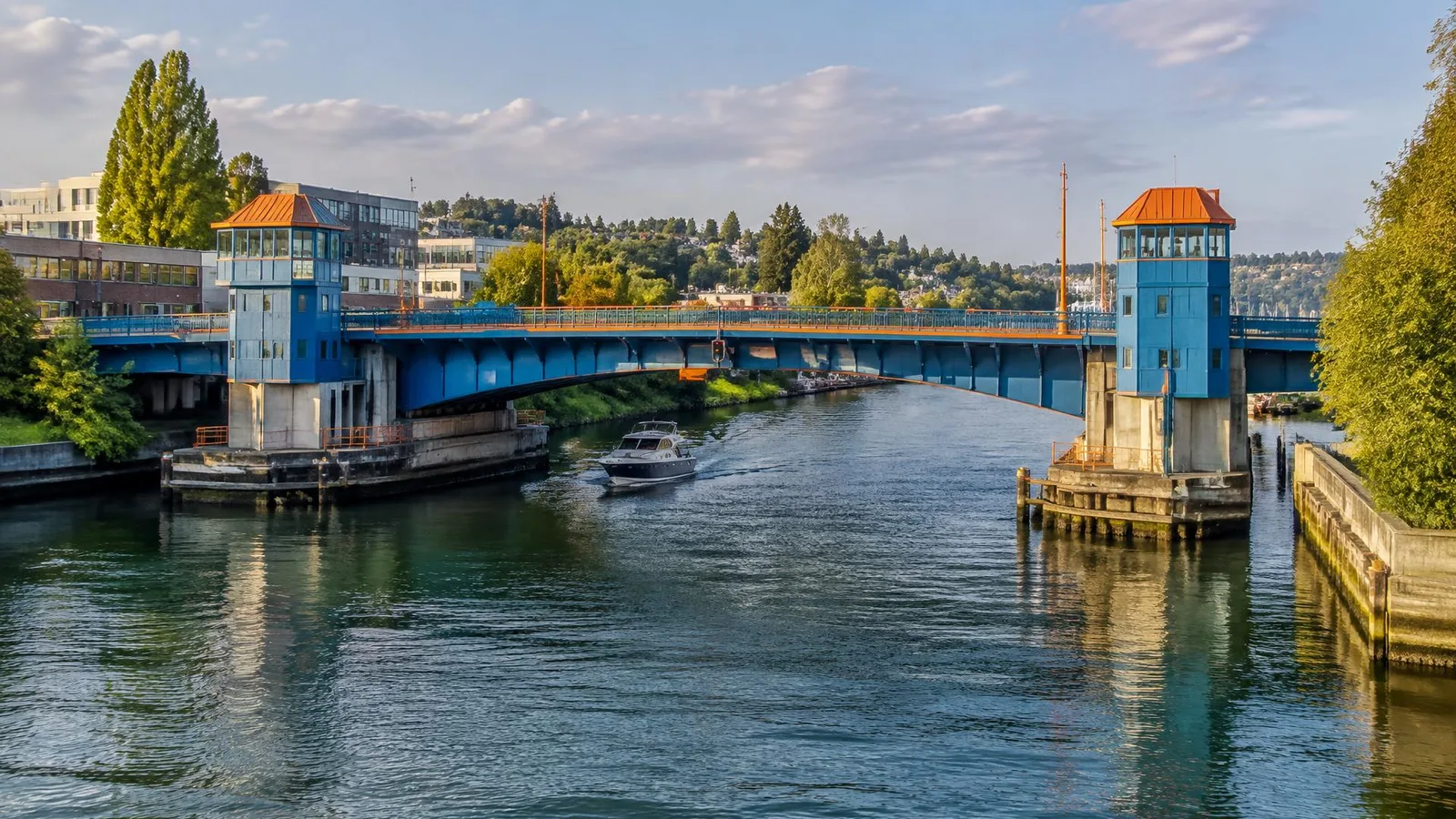
Transportation in Ballard and Fremont is a mix of convenience and classic Seattle bottlenecks. The biggest tradeoff is the bridge situation. Ballard and Fremont are separated from the rest of the city by the Ship Canal, and the Ballard, Fremont, and University bridges all open for marine traffic. This can cause significant and unpredictable delays for drivers and bus riders. I always tell my clients to build in extra time if they have a morning meeting downtown.
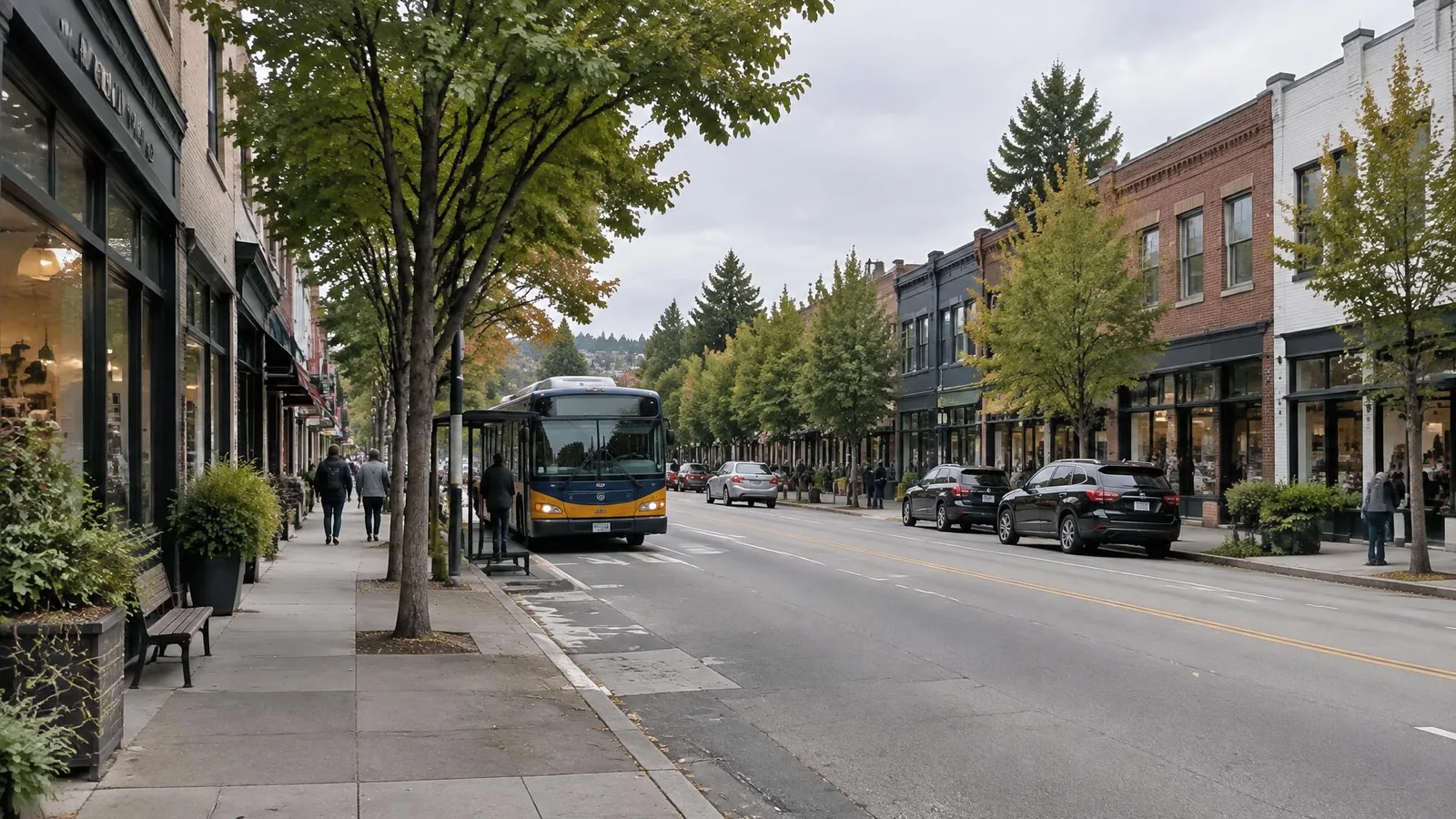
Public transit is primarily bus-based. The RapidRide D Line provides frequent service from Ballard to downtown, and various routes connect Fremont and Wallingford to the University District and the light rail stations there. While there is no light rail directly in Ballard yet, it is a planned future expansion. Biking is very popular here, thanks to the Burke-Gilman Trail, which runs along the canal and provides a dedicated path all the way to the University of Washington and beyond.
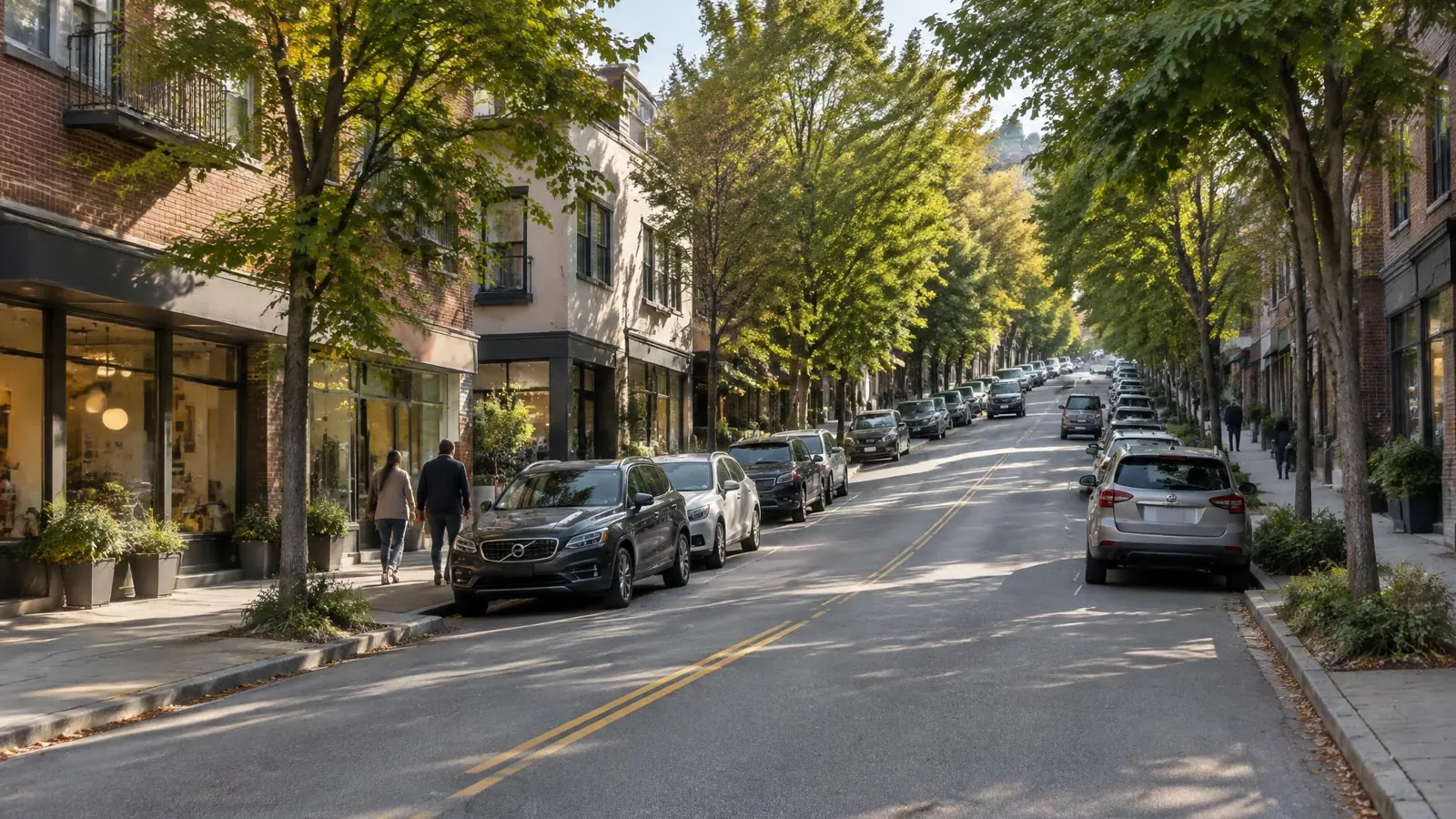
Commuting to downtown or South Lake Union is relatively quick if the bridges are cooperating, often taking 20 to 30 minutes by bus or car. Reaching the Eastside is also manageable via I-5 or the SR-520 bridge, though getting to the freeway from the heart of Ballard can take some time. Parking can be difficult in the commercial cores, but it is generally much more available on the residential side streets compared to Capitol Hill or downtown.
Homes and typical prices
The housing market in this area has seen a lot of change recently. You will find a significant number of new townhomes and modern condos, especially in areas that were previously industrial or commercial. However, the heart of these neighborhoods remains the classic Seattle bungalow and Craftsman house. There is also a good supply of mid-century homes and smaller apartment buildings.
Typical prices in Ballard and Fremont range from about $750K to $1.2M. The lower end of the range is where you will find condos and smaller or older townhouses. Detached single-family homes, especially those that have been updated, typically start closer to $1M and can go much higher depending on the lot size and views. Green Lake and Phinney Ridge often command a premium due to their proximity to the park and their elevated views.
These price ranges are approximate and change based on the inventory and demand at any given time. When looking at older homes in this area, it is important to check the condition of the sewer lines and foundations, as many of these houses are nearly a century old. The newer townhomes offer a more low-maintenance lifestyle, but you should be aware that they often come with smaller outdoor spaces compared to the older detached houses.
Parks, water and things to do
This region is a powerhouse for recreation. The Hiram M. Chittenden Locks is one of Seattle's top destinations, where you can watch boats move between the salt water of the Sound and the fresh water of the lakes. Adjacent to the locks, the Carl S. English Jr. Botanical Garden offers a beautiful place for a quiet walk. Golden Gardens Park in Ballard is a favorite for its sandy beaches, beach fires, and stunning sunset views over the Olympic Mountains.
Green Lake Park is another major draw, featuring a 2.8-mile paved loop that is always full of walkers, runners, and skaters. The lake itself is great for paddleboarding and rowing. In Fremont, the Ship Canal trail and the Burke-Gilman Trail offer miles of paved paths for cyclists and pedestrians. Gas Works Park in Wallingford provides a unique industrial landscape with some of the best views of the Seattle skyline across Lake Union.
Neighborhoods it covers
This popular region includes Ballard, Sunset Hill, Loyal Heights, Fremont, Wallingford, Phinney Ridge, and Green Lake.
Not sure this is the one?
Answer 9 one-tap questions about price, commute, home type and lifestyle and see your top 3 of 20 areas.
Common questions
- How often do the bridges open in Ballard and Fremont?
- The bridges open frequently for marine traffic, especially during the summer months. This can happen at any time, though there are some restrictions during peak commute hours. It is a part of life here that requires a bit of patience.
- Is it better to buy a townhome or an older house here?
- It depends on your priorities. Townhomes are generally newer and require less maintenance, while older houses often have more character and larger yards. I recommend looking at both to see which fits your lifestyle better.
- What is the best way to get to downtown from Ballard?
- The RapidRide D Line is a very popular and frequent bus service. Many people also choose to bike via the Elliott Bay Trail or take a car, though traffic and bridge openings can make the commute variable.
Nearby areas
Price ranges, transit and commute notes are general guides and change often. Verify details for any specific home. Every neighborhood is open to everyone.