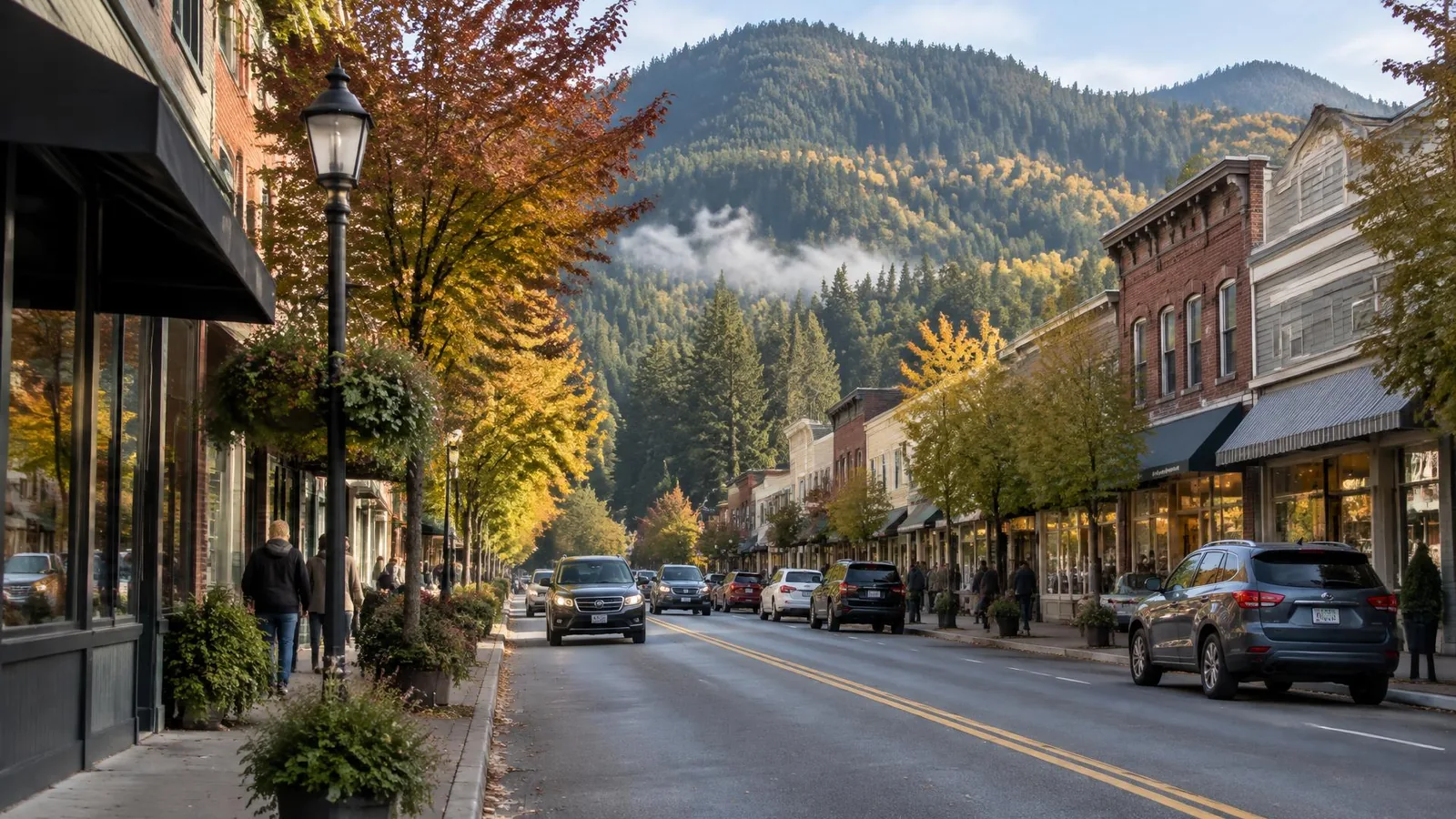
Living in Issaquah and Sammamish puts you right at the edge of the Cascade foothills. This is an area defined by its relationship with the outdoors, where your morning coffee might come with a view of Tiger Mountain or the shimmering water of Lake Sammamish. It is a place that feels spread out and intentional, with neighborhoods built into the landscape, massive trail networks accessible from your front door, and a rhythm dictated more by the seasons than the city grind. Whether you are looking for the historic downtown character of Issaquah or the planned, spacious feel of the Sammamish Plateau, this area offers a distinct shift from the density found closer to the urban core.
What it feels like
The first thing you notice here is the scale. The landscape is huge, dominated by mountains, forested ridges, and sprawling plateaus. Life on the Sammamish plateau feels quiet and secluded, with wide streets and houses tucked into wooded lots. Issaquah offers a more varied experience, ranging from the lively, walkable atmosphere of its historic Front Street to modern developments that push further up the mountain slopes.
It is a region that prioritizes space. You are not going to find the cramped, grid-like streets of older city neighborhoods here. Instead, expect curving roads, neighborhood cul-de-sacs, and a pervasive sense of being surrounded by nature. It is common to see residents out on trails in the evening or heading to the mountains on the weekend. The air feels different here, crisper and a bit cooler, especially as you gain elevation. It is a lifestyle focused on the balance between modern living and the surrounding wilderness.
There is a palpable sense of place that revolves around outdoor access. You might run into neighbors at the trailhead or while walking through the park. Despite the growth and the addition of modern conveniences, the area has held onto its connection to the foothills. It is a place for those who want their daily life to include proximity to the mountains and the water.
Getting around and commute tradeoffs
Commuting from here is a conversation about I-90. If you are headed to Seattle or Bellevue, I-90 is your primary artery. During peak hours, that commute can be significant, and you should be prepared for heavy traffic as commuters move from the plateau or the mountain towns down into the main freeway corridor.
Public transportation options exist, but they are different from the transit-heavy core of Seattle. You will likely rely on bus routes that connect to transit hubs, or park-and-ride facilities that allow you to catch express buses into Bellevue or downtown Seattle. Some residents choose to drive to a nearby light rail station in Bellevue or Mercer Island to complete their journey.
It is worth noting that the geography itself dictates your route. Roads often follow the natural contours of the land, winding through valleys or climbing ridges. This can mean that getting from one neighborhood to another might take a bit longer than the distance on a map would suggest. If your schedule is rigid and your work requires being in the office at specific times, traffic patterns should be a key part of your planning. The trade-off for this commute is the extra living space and the direct access to the Cascades once you leave the highway behind.
Homes and typical prices
The housing market here is broad, but it generally leans toward detached houses on larger lots than you will find in the city. In Sammamish, you see a lot of later twentieth-century and contemporary houses, often with attached garages and modest yards. Issaquah offers everything from historic bungalows downtown to custom houses built into the hillsides.
Typical prices in these areas generally range between about $900K and $1.6M, though this is approximate and changes based on location, view, and specific property features. You will find that you often get more house and land for your money here compared to the tighter markets of Bellevue or Seattle. Properties are designed to integrate with the environment, often featuring decks that overlook greenbelts or mountain vistas.
Condominiums and townhouses are available, particularly closer to the Issaquah commercial areas, but the defining character of the region remains the detached house. If you are looking for a property with a bit more square footage and perhaps a workshop or garden space, the area provides plenty of options.
Parks, water and things to do
This is one of the best parts of the region for outdoor activities. The trail networks are legendary, with access points for Cougar Mountain, Tiger Mountain, and Squak Mountain all right here. You can spend years exploring the various loops and mountain ridges without running out of new paths.
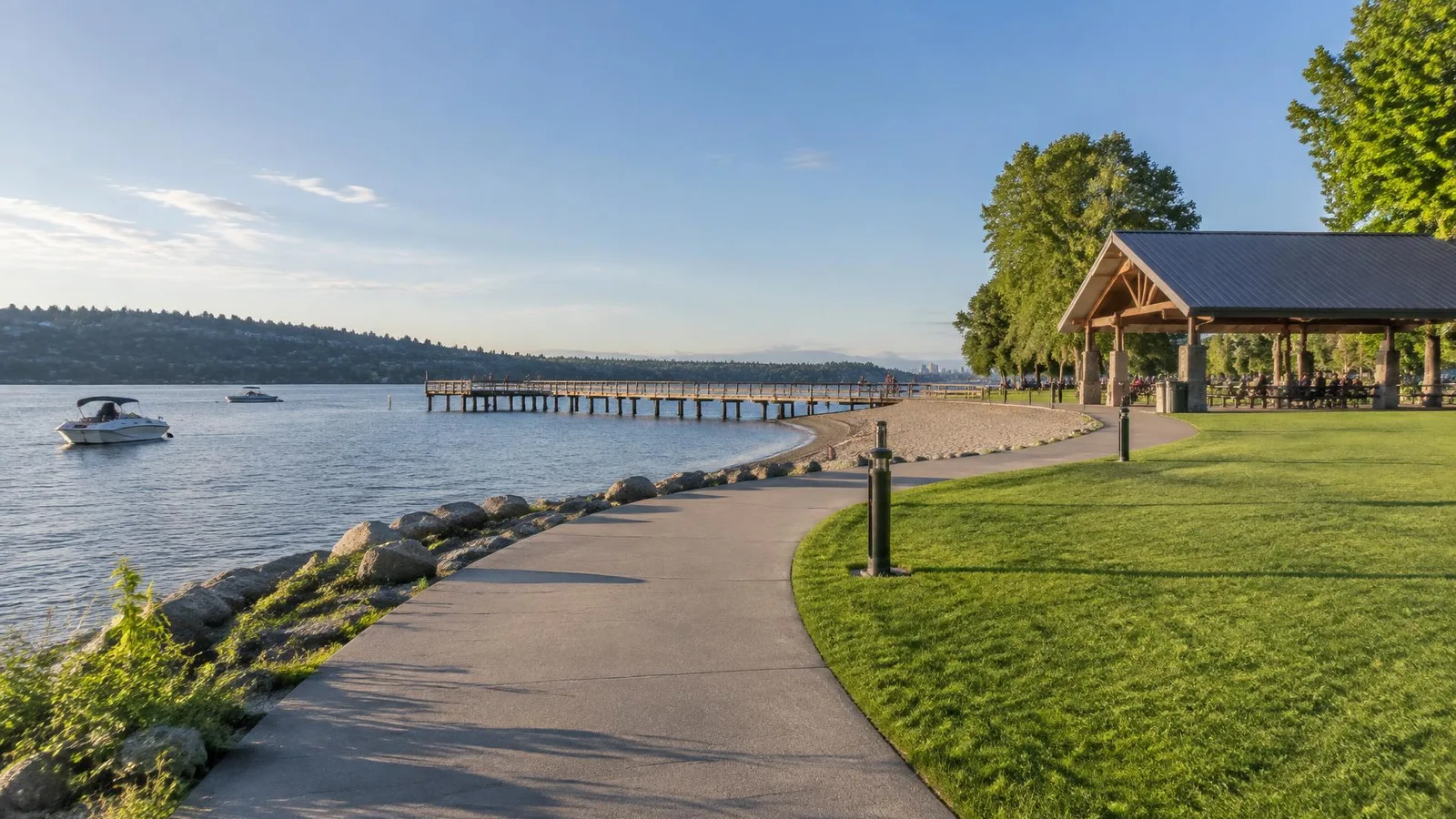
Lake Sammamish is the central water feature, providing miles of waterfront for swimming, paddling, and boating. You also have access to smaller lakes and ponds tucked into the landscape. For a quick evening walk or a weekend outing, there are dozens of parks, including the expansive Lake Sammamish State Park, which is a major draw for the entire region.
If you prefer a change of pace, the drive to the Snoqualmie Valley is short, and the opportunities for hiking, fishing, and taking in the mountain atmosphere are endless. The area also hosts a variety of local events, farmers markets, and outdoor festivals that emphasize the community connection to the landscape.
Neighborhoods it covers
The region covers a range of distinct areas, including the expansive Sammamish Plateau, historic and modern Issaquah, and the residential communities found in Snoqualmie Ridge, North Bend, and Fall City. Each spot offers a slightly different take on the foothills lifestyle, from the planned ease of the plateau to the more rugged, mountain-adjacent atmosphere of North Bend.
Not sure this is the one?
Answer 9 one-tap questions about price, commute, home type and lifestyle and see your top 3 of 20 areas.
Common questions
- What is the commute like to Seattle?
- The commute primarily involves I-90. During peak travel times, traffic can be heavy. Many residents use park-and-ride facilities or connect to light rail in nearby transit centers.
- What are the common housing types?
- The market is heavily focused on detached houses, though there are townhouses and condos near downtown Issaquah.
- How much space should I expect for my budget?
- Compared to central Seattle, your budget typically allows for more square footage, a larger lot, and potentially a view of the mountains or surrounding forests.
Nearby areas
Price ranges, transit and commute notes are general guides and change often. Verify details for any specific home. Every neighborhood is open to everyone.